pasang iklan baris gratis
Showing posts with label Science. Show all posts

Master of Science MSc di Teknik Kimia dan Biokimia

Master of Science (MSc) di Teknik Kimia dan Biokimia 
Inovatif, lebih baik, lebih aman dan ramah lingkungan
 
Scaling up dari reaksi "Laboratorium" untuk suatu proses industri merupakan tantangan utama bagi insinyur kimia. Ini adalah masalah optimasi yang rumit di berbagai tingkatan :
Dampak Lingkungan, Konsumsi Energi dan Biaya harus diminimalkan, dan kualitas dan keselamatan proses dimaksimalkan. Program Master di "Teknik Kimia dan Biokimia" berfokus pada beberapa alat penting seperti Proses Inovatif dan Teknik Pemisahan, Rekayasa Biologi, Bioteknologi, Rekayasa Katalitik dan Biomaterial, termasuk keselamatan proses kimia. 

Kursus Struktur 
Kursus dalam Proses Rekayasa Kimia, dan Teknologi, Manajemen. 2 atau 3 Modul Spesialisasi dapat dipilih di bidang berikut :
  • Biokimia Rekayasa
  • Bioteknologi
  • Polimer ilmu
  • Energi dan lingkungan
  • Hijau teknik kimia
Karir Prospek Master of Science (MSc) dalam Kimia & Teknik Biokimia mempersiapkan siswa untuk karir di industri membutuhkan pengetahuan yang kuat tentang metode dalam proses kimia, pengembangan, bioteknologi dan keamanan proses.
Persyaratan : 
Kandidat harus memiliki gelar Sarjana dari universitas terkemuka di bidang teknik kimia dan hasil akademik yang sangat baik. Mengajar Bahasa : terutama Inggris, Perancis dokumentasi tersedia. Jika Anda ingin informasi lebih lanjut atau memiliki pertanyaan, silakan isi formulir ini. Diperlukan waktu sekitar 45 detik untuk menyelesaikan.

Technology Sains Hubble Telescope Alat Penelitian Atmosfer

Sebuah Teleskop yang untuk pertama kalinya berhasil mengambil ribuan foto galaksi dan nebula yang berjarak beberapa juta tahun cahaya dari Bima Sakti dengan sangat jelas. Teleskop ini diluncurkan ke orbitnya dari pesawat ruang angkasa Discovery pada tahun 1990. Teleskop Hubble terwujud dari sebuah impian manusia untuk menempatkan Teleskop di ruang angkasa. Permasalahan dengan atmosfer yang selama ini muncul bisa terselesaikan dengan adanya Teleskop Hubble dan pastinya pandangan dari mata Teleskop Hubble jauh lebih bersih dan baik. Pada waktu itu proyek ini dianggap konyol dan buang biaya. 

Sebagian Komunitas Astronomi menolak atas kehadiran Teleskop Hubble tersebut. Seiring waktu berjalan semuanya telah berubah, kontribusi Teleskop Hubble tak ayal menjadi tumpuan para astronom. 20 tahun lebih bukan waktu yang singkat untuk teleskop Hubble, namun 20 tahun lebih itu manusia mendapatkan kesempatan untuk melihat indahnya dan megahnya alam semesta nan luas dari mata Teleskop Hubble.
Sejarah Hubble 
Pada tahun 1962, Akademi Sains Nasional Amerika atau National Academies of Science merekomendasikan untuk membangun sebuh teleskop angkasa raksasa. Tiga tahun kemudian, tepatnya pada tahun 1977, kongres mulai menugumpulkan dana untuk proyek tersebut. Pada tahun yang sama pula, pembuatan teleskop angkasa Hubble segera dimulai. 

Selama lebih dari 12 tahun para penggagas Teleskop landas angkasa ini bergerilya mencari kucuran dana dari para pendana NASA. Respon yang didapat, jauh lebih baik membangun 20 teleskop landas Bumi daripada membangun teleksop ruang angkasa yang hanya akan menimbulkan masalah dan hanya impian para penggemar fiksi sains. Tak ada yang mau berpikir tentang keuntungan sebuah teleskop landas angkasa yang bisa memecahkan masalah atmosfer. 

Setelah melalui perjalanan panjang, dana berhasil didapatkan. The Independent Space telescope Science Institute dibentuk di Baltimore tahun 1983 untuk menjalankan operasi penelitian ilmiahnya sekaligus untuk mendapatkan data bagi para peneliti. 

Konstruksi teleskop Hubble, berhasil diselesaikan pada tahun 1985. Hubble di’angkasakan’ untuk pertamakalinya pada tanggal 25 April 1990. Padahal, Hubble direncanakan untuk mulai dioperasikan pada tahun 1986. Hubble mengirim gambar yang buram dan tidak jelas. Pada akhirnya NASA menemukan bahwa lensa pada teleskop tersebut bergeser sebanyak 1/50 ketebalan rambut manusia! Pada bulan Desember 1993, Pesawat Ulang-Alik Endeavor, dikirim untuk memodifikasi Hubble dengan menambahkan kamera baru untuk memperbaiki kesalahan pada lensa primernya.

Ukuran Teleskop Hubble 
Teleskop: Ketebalan mencapai 13.1 meter (43.5 kaki), berdiameter 4.27 meter (14.0 kaki) dan memiliki berat 11,000 kilogram. Ukuran Hubble hampir sama dengan sebuah bus sekolah. Juga, perhatikanlah tabung oranye yang ada pada teleskop. Ini adalah sumber tenaga Hubble. 

Lensa 
Lensa primer teleskop Hubble, berdiameter 2.4 m (8 kaki), dan beratnya mencapai 826 kilogram. Lensa ini terbuat dari kaca silika yang dilapisi oleh lapisan tipis aluminum murni untuk merefleksikan cahaya. Selain lapisan aluminum, lensanya juga memiliki lapisan magnesium fluorida yang berguna untuk mencegah oksidasi dan sinar ultraviolet (UV) dari matahari agar lensa tidak cepat rusak.

Cara Kerja 
Pertama-tama, Hubble menangkap gambar, setelah diterima oleh teleskop, gambar tersebut akan diubah manjadi kode digital dan diradiasikan ke bumi dengan menggunakan antena yang mamiliki kemampuan mengirimkan data 1 juta bit per detik. Setelah kode digital diterima oleh stasiun di bumi, kode itu akan diubah menjadi foto dan spektrograf (sebuah instrumen yang digunakan untuk mencatat spektrum astronomikal).
Teleskop ini dapat berjalan 5 mil per detik. Hubble dapat berkeliling lebih dari 150 juta mil per tahun (± 241 juta kilometer)!

Pengendalian dan Pengoperasian Teleskop Hubble 
Teleskop ini dikendalikan dari Goddard Space Flight Center di Greenbelt, Md. Masalah baru pun muncul pada cermin yang bentuknya tidak pas dengan sisi tepiannya sehingga citra pertama Hubble terlihat kabur. Berhasil diluncurkan tak berarti Teleskop Baru ini langsung sukses. Walaupun citra tersebut masih jauh lebih baik dari hasil pemotretan dari Bumi, namun kaburnya citra menyebabkan hanya 20% citra di bagian tengah yang terfokus. Algoritma pun dibuat untuk memecahkan masalah tersebut, namun masalah lain pun muncul dari angin matahari saat teleskop Hubble mengorbit dari sisi terang ke sisi gelap dalam setiap orbitnya. Akibatnya, media pun cepat bereaksi dengan menyatakan kalau instrumen tersebut hanyalah "Techno Tukey".

Perbaikan Teleskop Hubble 
Teleskop Hubble telah mengalami empat kali perbaikan yang dilakukan oleh para astronot yang diantar oleh pesawat ulang alik. Misi perbaikan pertama di bulan Desember 1993, optik Hubble pun mengalami peningkatan dan citra yang dihasilkan semakin tajam dan fokus.Teleskop ini didesain akan mendapatkan perbaikan dan pengecekan secara berkala dan tidak ada batasan sampai masa dimana Hubble tak lagi bisa bekerja. Teleskop Hubble yang ada saat ini bukan lagi teleskop yang dulu diluncurkan. Saat ini teleskop Hubble sudah jauh lebih hebat dari yang diluncurkan tahun 1990. Setidaknya 60 kali lebih baik.

Tugas Teleskop Hubble 
Kemampuan Teleskop Hubble untuk memandang jauh ke masa lalu sejarah alam semesta dan melihat evolusinya merupakan pengetahuan yang sangat mendasar yang diberikan Hubble bagi sejarah manusia. Teleskop Hubble jugalah yang menunjukkan untuk pertama kalinya wajah alam semesta yang berbeda dari alam semesta dekat (di sekitar kita yang telrihat dari Bumi) yang kita kenal selama ini. Teleskop Hubble berhasil memberi bukti alam semesta berkembang sangat cepat yang mengubah paradigma berpikir para ilmuwan bahwa alam semesta mengembang perlahan. Bukti ini datang dari pengamatan supernova, ledakan akhir dari bintang besar yang akan mengakhiri hidupnya. 

Cahaya dari supernova tersebut ditangkap Teleskop Hubble datang dari jarak yang sangat jauh yag tak pernah diprediksi sebelumnya. Dan inilah yang menjadi bukti adanya percepatan dalam pengembangan alam semesta. Bahkan penemuan ini menjadi penemuan besar dalam fisika semenjak fisika kuantum dan relativitas umum. Di tahun 2006, Hubble kembali membuktikan keberadaan materi gelap dan Teleskop landas angkasa ini juga digunakan untuk menunjukan adanya hubungan antara ukuran lubang hitam dan ukuran galaksi yang menjadi lokasi si lubang hitam tersebut. 

Teleskop Hubble juga digunakan dalam proyek yang ditujukan untuk melihat dari dekat bintang-bintang , yang diamati adalah nebula Orion dan area pembentukan planet di sekeliling bintang muda. Bahkan protoplanet di sekitar bintang muda tersebut, berhasi di tangkap oleh Teleskp Hubble. Citra yang diambil dengan resolusi yang luar biasa yang tak akan bisa dihasilkan oleh teleskop landas Bumi. Hubble bersama teleskop luar angkasa lainnya seperti Chandra X-ray observatory dan the Spitzer space telescope yang bekerja pada panjang gelombang infra merah, mereka saling melengkapi dan menghasilkan fot dengan efek dan warna yang luar biasa indah.

Masa depan Teleskop Hubble 
Teleskop Hubble pada kurun 2003 hingga 2006 sempat mengalami masa ketidakpastian akan masa depannya. Misi perbaikan terakhir di tahun 2004 dibatalkan oleh administrator NASA, Sean O’Keefe. Misi kembali dijalankan ke Hubble saat penerus O’Keefe, Mike Griffin menggantikannya pada tahun 2006. Dan servis pun dilakukan pada bulan Mei 2009. Hubble pun Menuju Supernova? 

Disamping semua perjalanan Teleskop Hubble, hasil yang diberikan Hubble tak bisa diabaikan begitu saja. Teleskop Hubble justru membawa kesuksesan besar dalam dunia astronomi untuk membuka sisi alam semesta dan berbagai proses yang ada di dalamnya. Teleskop Hubble merupakan teleskop terpenting lainnya dalam sejarah setelah teleskop pertama Galileo 400 tahun lalu. 

Masa depan Teleskop Hubble pun sudah ditentukan sampai dengan akhir April 2013. Atau dengan kata lain Teleskop Hubble masih akan beroperasi setidaknya 3 tahun lagi. Setelah itu tidak akan ada lagi misi untuk melakukan servis dan secara berkala batere, panel matahari dan mesin pointing telskop akan mulai melemah dan gagal bekerja. Hingga 2013, Teleskop Hubble dan seluruh instrumennya (the Advanced Camera for Surveys, Cosmic Origins Spectrograph, Fine Guidance Sensors, Near Infrared Camera and Multi Object Spectrometer, Space Telescope Imaging Spectrograph dan Wide Field Camera) akan tetap berada dalam kondisi yang baik. 

Seluruh instrumen tersebut masih akan bekerja dengan baik setidaknya 5 tahun lagi. Dan ketika nasib Teleskop Hubble akan mendekati masa akhir tugasnya, ia masih akan tetap menggunakan sisa masa kerjanya dengan kemampuan maksimal memberikan informasi yang mengungkap misteri alam semesta dalam citra indah yang ia rekam. Tugas Hubble akan diteruskan oleh James Webb Space Telescope yang akan diluncurkan pada tahun 2014.

Gelar-Gelar Akademik Sesuai dengan Pendidikan Yang Ada Di Indonesia


Pendidikan Di Indonesia memiliki Berbagai tingkatan, mulai dari TK, SD, SMP hingga SMA. Namun itu hanyalah sebagai pendidikan Formal saja dan tentu belum bisa menerima sebuah gelar. untuk mendapatkan sebuah gelar, kita diharuskan mengikuti jenjang sekolah yang lebih tinggi lagi, seperti kuliah.

Gelar akademik atau gelar akademis adalah gelar yang diberikan kepada lulusan pendidikan akademik bidang studi tertentu dari suatu perguruan tinggi. Gelar akademik kadangkala disebut dengan istilahnya dalam bahasa Belanda yaitu titel. Gelar akademik terdiri dari Sarjana (Bachelor), Magister (Master), dan Doktor (Doctor).

Berikut ini adalah Gelar Akademisnya.
Ahli Pratama (A.P.) - D1
Ahli Muda (A.Ma) - D2
Vokasi - (D3)
Ahli Madya - (A.Md)

Sarjana - (S1)

Sarjana Sastra - (S.S)
Sarjana Humaniora - (S.Hum)
Sarjana Hukum - (S.H)
Sarjana Ilmu Politik - (S.I.P)
Sarjana Ilmu Sosial - (S.Sos)
Sarjana Psikologi - (S.Psi)
Sarjana Kedokteran - (S.Ked)
Sarjana Kedokteran Gigi - (S.K.G)
Sarjana Pertanian - (S.P)
Sarjana Teknologi Pertanian - (S.T.P)
Sarjana Peternakan - (S.Pt)
Sarjana Perikanan - (S.Pi)
Sarjana Kehutanan - (S.Hut)
Sarjana Kedokteran Hewan - (S.K.H)
Sarjana Sains - (S.Si)
Sarjana Sains Terapan - (S.ST)
Sarjana Teknik - (S.T)
Sarjana Komputer - (S.Kom)
Sarjana Seni - (S.Sn)
Sarjana Pendidikan - (S.Pd)
Sarjana Agama - (S.Ag)
Sarjana Farmasi - (S.Far/S.Farm)
Sarjana Pariwisata - (S.Par)
Sarjana Ekonomi - (S.E)
Sarjana Arsitektur - (S.Ars)
Sarjana Theologi Islam - (S.Th.I)
Sarjana Filsafat Islam - (S.Fil.I)
Sarjana Sosial Islam - (S.Sos.I)
Sarjana Pendidikan Islam - (S.Pd.I)
Sarjana Ilmu Komunikasi - (S.I.Kom)
Sarjana Antropologi - (S.Ant)
Sarjana Ilmu Administrasi (S.IA)
Sarjana Filsafat - (S.Fil)
Sarjana Desain - (S.Ds)
Sarjana Keperawatan - (S.Kep)
Sarjana Manajemen Bisnis - (S.Mb)

Gelar Master - (S2)

Master of Management - (M.Mgt)
Master of Science - (M.Si) - Master of Sains - (M.Sc)
Master of Engineering - (M.Eng)
Master of Computer Science - (M.Comp. Sc)
Master of Applied Science - (M.App.Sc)
Master of Business Administration - (MBA)
Master of Architecture - (M.Arc)
Master of System Industrial Engineering - (MSIE)
Master of Economic - (M.Econ)
Magister Sains Akuntansi - (MSA)
Magister Manajemen Sistem Informasi - (MMSI)
Magister Manajemen - (MM) - Master of Management - (MM)
Master of System Electrical Engineering - (MSEE)
Master Humaniora - (M.Hum)
Magister Pendidikan - (M.Pd)
Master of Art - (M.A.)
Master of Education - (M.Ed)
Master of Applied Linguistics - (M.Appl Ling)

Gelar Doctor - (S3)

Dr. (H.C), Doctor Honoris Causa, Doktor Kehormatan diberikan oleh suatu perguruan tinggi/universitas yang memenuhi syarat kepada seseorang, tanpa orang tersebut perlu untuk mengikuti dan lulus dari pendidikan yang sesuai untuk mendapatkan gelar kesarjanaannya tersebut. Gelar Honoris Causa diberikan dapat diberikan bila seseorang telah dianggap berjasa dan atau berkarya luar biasa bagi ilmu pengetahuan dan umat manusia.
Ph.D - Doctor of Philosophy
D.Eng - Doctor of Engineering
D.Sc - Doctor of Science
D.Econ - Doctor of Economic
DBA - Doctor of Business Administration

Perlu diketahui perbedaan Dr. dan dr
Doktor (Dr.) adalah gelar yang diberikan kepada seseorang yang telah menempuh jenjang doktoral (S3)

Dokter (dr.) adalah gelar yang diberikan kepada seseorang yang telah menempuh masa residensi dan mendapatkan surat ijin praktek, atau dengan kata lain telah menjadi profesional.

Adapun gelar-gelar kedokteran lainnya seperti :
Dr. dr. Ratna Sitompul, SpM(K)
artinya Doktor, dokter spesialis mata (konsultan), Ratna Sitompul. Makna (K) berarti dokter spesialis yang sudah terspesialisasi lagi di bidangnya.

Gelar-gelar dokter spesialis :
Sp.A - spesialis anak
Sp.An - spesialis anastesi
Sp.And - spesialis andrologi
Sp.B - spesialis bedah umum
Sp.B KBD - spesialis bedah (Konsultan Digestif/Pencernaan)
Sp.B.Onk - spesialis bedah onkologi
Sp.BA - spesialis bedah anak
Sp.BO - spesialis bedah orthopedi
Sp.BM - spesialis bedah mulut (dokter gigi)
Sp.BP - spesialis bedah plastik
Sp.BS - spesialis bedah syaraf
Sp.BU - spesialis bedah urologi
Sp.F - spesialis kedokteran forensik
Sp.G - spesialis gizi
Sp.GK - spesialis gizi klinik
Sp.JP - spesialis jantung dan pembuluh darah
Sp.KG - spesialis konservasi gigi (termasuk penambalan dan perawatan urat saraf gigi)(dokter gigi)
Sp.KGA- spesialis kedokteran gigi anak (dokter gigi)
Sp.KJ - spesialis kedokteran jiwa atau Psikiater
Sp.KK - spesialis penyakit kulit dan kelamin (dermatologi)
Sp.KN - spesialis kedokteran nuklir
Sp.KO - spesialis kedokteran olahraga
Sp.KP - spesialis kedokteran penerbangan
Sp.M - spesialis mata
Sp.MK - spesialis mikrobiologi klinik
Sp.Ort - spesialis orthodonti (meratakan gigi)(dokter gigi)
Sp.OG - spesialis obstetri ginekologi (kebidanan dan kandungan)
Sp.Ok - spesialis kedokteran okupasi (kerja)
Sp.OT - spesialis bedah orthopaedi dan traumatologi
Sp.P - spesialis paru (pulmonologi)
Sp.Perio - spesialis periodonsia (jaringan gusi dan penyangga gigi)(dokter gigi)
Sp.PA - spesialis patologi anatomi
Sp.PD - spesialis penyakit dalam
Sp.PK - spesialis patologi klinik
Sp.R - spesialis radiologi
Sp.RM - spesialis rehabilitasi medik
Sp.S - spesialis saraf (Neurologi)
Sp.THT-KL - spesialis Telinga Hidung Tenggorok-Bedah Kepala Leher
Sp.U - Spesialis urologi

Tentang Gelar Professor (Guru Besar)

Gelar Professor diperoleh berdasarkan beberapa kriteria yang telah dirumuskan oleh civitas akademis pada suatu perguruan tinggi. Bisa jadi karena telah banyak menulis buku, melakukan penelitian, mengajar dan beberapa kategori yang lainnya. Sehingga dengan demikian, gelar atau titel professor diraih berdasarkan prestasi atau pengabdian di tempat di mana ia mengabdikan dirinya sesuai dengan keilmuan yang dimilikinya. Singkatnya, gelar professor merupakan gelar yang diraih atas dasar prestasi akademis.
Gelar-gelar dokter spesialis :

Sp.A - spesialis anak
Sp.An - spesialis anastesi
Sp.And - spesialis andrologi
Sp.B - spesialis bedah umum
Sp.B KBD - spesialis bedah (Konsultan Digestif/Pencernaan)
Sp.B.Onk - spesialis bedah onkologi
Sp.BA - spesialis bedah anak
Sp.BO - spesialis bedah orthopedi -> seharusnya Sp. OT (Orthopaedi dan Traumatologi)
Sp.BM - spesialis bedah mulut (Dokter Gigi)
Sp.BP - spesialis bedah plastik
Sp.BS - spesialis bedah syaraf
Sp.BU - spesialis bedah urologi -> seharusnya Sp.U saja..
Sp.F - spesialis kedokteran forensik
Sp.G - spesialis gizi
Sp.GK - spesialis gizi klinik
Sp.JP - spesialis jantung dan pembuluh darah
Sp.KG - spesialis konservasi gigi (Termasuk penambalan dan perawatan urat saraf gigi)(Dokter Gigi)
Sp.KGA- spesialis kedokteran gigi anak (Dokter Gigi)
Sp.KJ - spesialis kedokteran jiwa atau Psikiater
Sp.KK - spesialis penyakit kulit dan kelamin (Dermatologi)
Sp.KN - spesialis kedokteran nuklir
Sp.KO - spesialis kedokteran olahraga
Sp.KP - spesialis kedokteran penerbangan-> Ked. Nuklir, Olahraga, dan Penerbangan seringkali ditulis M.Kes karena pendidikannya adalah S2 bukan spesialis
Sp.M - spesialis mata
Sp.MK - spesialis mikrobiologi klinik
Sp.Ort - spesialis orthodonti (Meratakan Gigi)(Dokter Gigi)
Sp.OG - spesialis obstetri ginekologi (Kebidanan dan Kandungan)
Sp.Ok - spesialis kedokteran okupasi (Kerja) M.Kes...
Sp.OT - spesialis bedah orthopaedi dan traumatologi menjadi Sp. OT karena Orto udah pisah dari Bedah..
Sp.P - spesialis paru (Pulmonologi)
Sp.Perio - spesialis periodonsia (Jaringan Gusi dan Penyangga Gigi)(Dokter Gigi)
Sp.PA - spesialis patologi anatomi.
Sp.PD - spesialis penyakit dalam.
Sp.PK - spesialis patologi klinik.
Sp.R - spesialis radiologi.
Sp.RM - spesialis rehabilitasi medik.
Sp.S - spesialis saraf (Neurologi).
Sp.BK: Spesialis Biokimia Kedokteran.
Sp.BTKV: Spesialis Bedah Thoraks dan Kardiovaskular.
Sp.ParK: Spesialis Parasitologi Kedokteran.
Sp.FK: Spesialis Farmasi Kedokteran.
AFK: Ahli Fisiologi Kedokteran.

Organization and Management in the UN General Assembly

UN General Assembly or the UN General Assembly is one of the six main UN bodies. Assembly consists of members from all member states and meets annually under a UN General Assembly President is elected from the representatives. The first meeting was held on January 10, 1946 at Central Hall Westminster in London and included representatives from 51 countries. This meeting normally begins at the third Tuesday in September and ends in mid-December. Special meetings may be convened at the request of the Security Council, a majority of UN members. Special meeting held in October 1995 to commemorate 50 years of the United Nations.

Each country can appoint five representatives to attend the General Assembly, but only entitled to one vote (Article 5 and 18, UN Charter). In each session of the UN General Assembly elect a chairman. The General Assembly has the power to regulate the organization and administration of the United Nations, but the problem is being resolved the Security Council. Official language is used, among others: English, French, Russian, Spanish, and Chinese, including the broadcast and press coverage.

Duties and powers
Duties and powers of the general assembly can be divided into eight groups, namely on:
1. The exercise of international peace and security.
2. Cooperation in the field of economy and the international community.
3. International representative system.
4. Particulars of the areas that do not yet have its own government
5. Financial affairs
6. Membership application and acceptance of members
7. Changes in the charter
8. Relationships with other equipment tools

In performing the duties of the general assembly to form a variety of agencies, such as the committee; commission; conferences and agency. These agencies include:
1. Committee procedure
2. Administrative court
3. Disarmament commission (with the security council)
4. International atomic energy agency (to hear the opinion of the security council
and the board of social economy).
5. UN troops
6. Palestinian refugees in the container body
7. United Nations Conference on trade and development.
8. United Nations Children's Fund / UNICEF (the economic and social council)
9. Office of the UN high commissioner for refugees
10. United Nations and FAO joint venture for global food business
11. United Nations Development Program
12. UN industrial development organization
13. The UN agency for training and research
14. The UN environment program
15. United Nations University
16. Seven committee (committee), namely

The first committee: duties in the political and security matters including the setting of weaponry.
  • The second Committee: special political duties.
  • Third Committee: its work in economics and finance.
  • Fourth Committee: its work in the social, humanitarian and cultural.
  • Fifth Committee: its work in the field of decolonization (areas that are not self-governing)
  • Sixth Committee: its work in the field of administration and budget.
  • Committee of the seventh: the legal duties
Main Assembly also assisted agencies and special programs such as:
  • Human Rights Council
  • UNRWA: Aid Agency and work for Palestinian refugees in the Middle East
  • UNICEF: Aid Agency for the kids
Here the United Nations is an international organization, because it comprises members from various countries around the world. Management that can be drawn from the general assembly session is how the planning of the General Assembly session, starting from each state is entitled to appoint five representatives in the UN General Assembly, and also there are duties and powers, and in carrying out the duties and powers established bodies such as the I have explained above. From there it was all in shaping the organization and management of the UN General Assembly.

Month by type of Phase

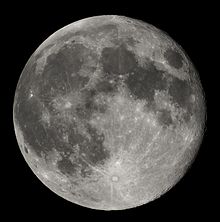
The moon is the only natural satellite of Earth, and is the largest natural satellite in the Solar System 5. The moon does not have its own light source and the light actually comes from the Moon reflected light of the Sun.

The average distance from the Earth-Moon center to center is 384 403 km, about 30 times the diameter of Earth. Diameter of the Moon is 3474 km, [1] is slightly smaller than a quarter the diameter of Earth. This means that the volume of the Moon is only about 2 percent by volume of Earth and its gravitational pull on its surface about 17 percent rather than the Earth's gravitational pull. The moon revolves around Earth once every 27.3 days (orbital period), and periodic variations in the Earth-Moon system, the Sun is responsible for the occurrence of the phases of the Moon is repeated every 29.5 days (period sinodic).

The density of the Moon (3.4 g / cm ³) is lighter than the density of the Earth (5.5 g / cm ³), while the mass of the Moon is only 0.012 Earth masses.

Months drawn by the force of gravity does not fall to the Earth caused by the centrifugal force arising from the Moon's orbit around the Earth. The amount of centrifugal force the Moon is slightly larger than the gravitational attractive forces between the Earth and Moon. This causes the Moon farther away from Earth at about 3.8 cm / year.

The moon is in synchronous orbit with the Earth, this led to only one side of the Moon's surface that can be observed from Earth. Synchronous orbit with the same rotation causes kala kala revolution.

In the month there is no air or water. Terhasil many craters on the lunar surface is caused by a comet or asteroid hit. The absence of air and water on the moon cause the absence of erosion that causes a lot of craters on the moon millions of years old and still intact. Among the biggest is the Clavius ​​crater with a diameter of 230 kilometers and as deep as 3.6 kilometers. A lack of air also causes no sound can be heard on the Moon.

The moon is the only thing that ever visited the sky and landed humans. The first artificial object to pass near the Moon was the Soviet Union's spacecraft, Luna 1, the first artificial object to hit the lunar surface was Luna 2, and the first photograph the far side is never visible from Earth, taken by Luna 3, all of the mission carried out in of 1959. The first spacecraft to successfully perform the landing was Luna 9, and who successfully orbited the Moon was Luna 10, both made in 1966. Apollo Program of the United States is the only manned missions to date, which made six manned landings between 1969 and 1972.

Months as a Time Marker
The full moon is the situation when the moon appears perfectly round from the Earth. At that time, the Earth is located almost in line between the Sun and the Moon, so the entire surface of the Moon is illuminated by the Sun seen from the Earth.

The converse is when the moon is dead, that is when the Moon lies in the almost in line between the Sun and Earth, so that the 'look' of the Earth is the back side of the Moon is dark, the alias does not appear anything.

In between that time and there is a state of half-crescent moon, which at the time of the position of the Moon towards the Earth to form a certain angle to the line of the Earth - the Sun. At that time, only partially illuminated surface of the Moon the Sun as seen from Earth.

Fase-fase bulan


ORIGIN

Origin - the proposal months is not known for certain, but scientists have found evidence that the Moon came from a big collision with a small planet Earth called theira about 3 billion years ago, and produce dust which amounts to very much and orbit around the Earth and eventually gather dust a month. At first the distance of the moon at first only about 30,000 miles or 15 times closer than the distance of the Moon to the Earth now. Months away from the findings of about 3.8 cm per year.

15 Tips for teachers of Mathematics to teach beginners the style of teaching Gisele Glosser

  • Critical thinking and an honest effort is more important than the correct answer. Try not to frown when a student gives a wrong answer or wrong. Frowned sign language is often interpreted as a rejection that could hinder the students to participate in expressing his thoughts
  • There is no teaching without control. Better you struggling in the early days of school to find the best ways to manage classroom and student discipline, than you have to struggle throughout the semester because you are unable to find the most effective in classroom management.
  • Sometimes the best thing to do is stop talking. If there is noise in the classroom, you do not need to be clamoring for the students to stop rowdy. You try standing in front of the room without spending a single word, then their gaze (especially for students who become the source of the noise) while no expression of anger.
  • Try to do activities that vary from time to time. In the learning process and a structured routine is a good thing, but if this is done too much can cause you and your class falls falling into a habit of boring.
  • Encourage students to actively bepartisipasi. Provide opportunities for every student to perform in front of the class or invite them to work in groups. Wherever possible avoid teacher-centered learning for the entire year.
  • Try to be flexible. For example, during the learning process takes place in the classroom, you have strict rules against students on the gum. But maybe you can close your eyes to this when students are facing exams.
  • Try to give a clear description of what topics will be tested. You do not just simply to say and having students "test next week, please Learn Chapter 6". Command and the assignment of this kind will be felt confusing, especially for students who lack the skills to learn.
  • Ask for management support. It is important to get support from management when you are dealing with difficult issues, related to the learning process that you do. For example, ask for support to hold a conference with the parents of students who have difficulty in learning.
  • Give students the opportunity to take exams. If a student is always present in every meeting in the classroom, but for some reason he can not attend on the day of the exam, you should be able to give him the opportunity to participate in follow-up exams and do not let more than one or two days.
  • Use the technique of "Front Loading". The students tend to be more motivated to learn at the start of school. At the beginning of school, but are invited to review the matter at the previous semester, by and large students are also invited to identify topics that are about to learn a semester ahead.
  • Teach the students to have the skills to solve problems. When your students enter the workforce or go into the community, he would have a lot to deal with various issues that should he finish well. Through learning that you do expect the students will be familiar and skilled in solving various problems it faces.
  • Give awards for each outcome and the effort to learn them. Feedback you will provide motivation to students to do things better
  • Do the best of yourself and be fair to all students, then you will gain respect from them. Crisis of trust in the teacher often stems from the inability to display the best to their students.
  • The best motivator is to connect learning with real world. Do not remove the real-world learning from the students, their belajarkanlah matters directly related to and touching their lives Suppose Mathematics teacher while membelajarkan about the metric system, ask students to bring an empty cardboard and bottles from their kitchen, to serve as a medium of learning .
  • In certain schools, there are times when students are grouped based on ability (superior class). This makes them more prominent than the other participants. On the one hand, this can make it easy for teachers to provide learning services are homogeneous, but on the other hand can also cause social jealousy.
  • Bookmark and Share